
Space &
Security
Secure communications, surveillance, and navigation increasingly depend on what is in orbit. SSD Expo 2027 connects space and deep-tech companies with the governments, armed forces, and defence primes that need their capabilities.
Why Space Matters for
Northern European Security
Cable faults, disrupted satellite navigation, and ships lingering near critical infrastructure are security concerns in the Baltic Sea today. Protecting subsea assets, energy networks, shipping lanes, and military movements across the region and the Arctic takes persistent situational awareness and resilient communications. Satellites increasingly support both, along with the navigation and intelligence that defence and logistics rely on every day. The war in Ukraine has shown that modern operations depend on reliable communications and on capabilities a nation can control itself.
NATO declared space an operational domain in 2019, alongside air, land, maritime, and cyberspace. Nordic Allies are active in its recent space initiatives: Denmark, Finland, Norway, and Sweden all take part in Alliance Persistent Surveillance from Space (APSS), HALO, which aims to connect nationally owned military satellites, and NORTHLINK, which explores secure satellite communications for the Arctic.
The EU is building its own capacity through Copernicus for Earth observation, Galileo for satellite navigation, GOVSATCOM for government communications, and IRIS² for secure connectivity.
Under the theme From Space to Sea: Building the Northern Shield, SSD Expo 2027 brings Nordic space and communications capability together with Baltic frontline experience, and connects both with the people who buy, integrate, and operate these systems.

Key Benefits of Focusing on
Space & Security
Four Capability Areas
See: Space & Situational Awareness
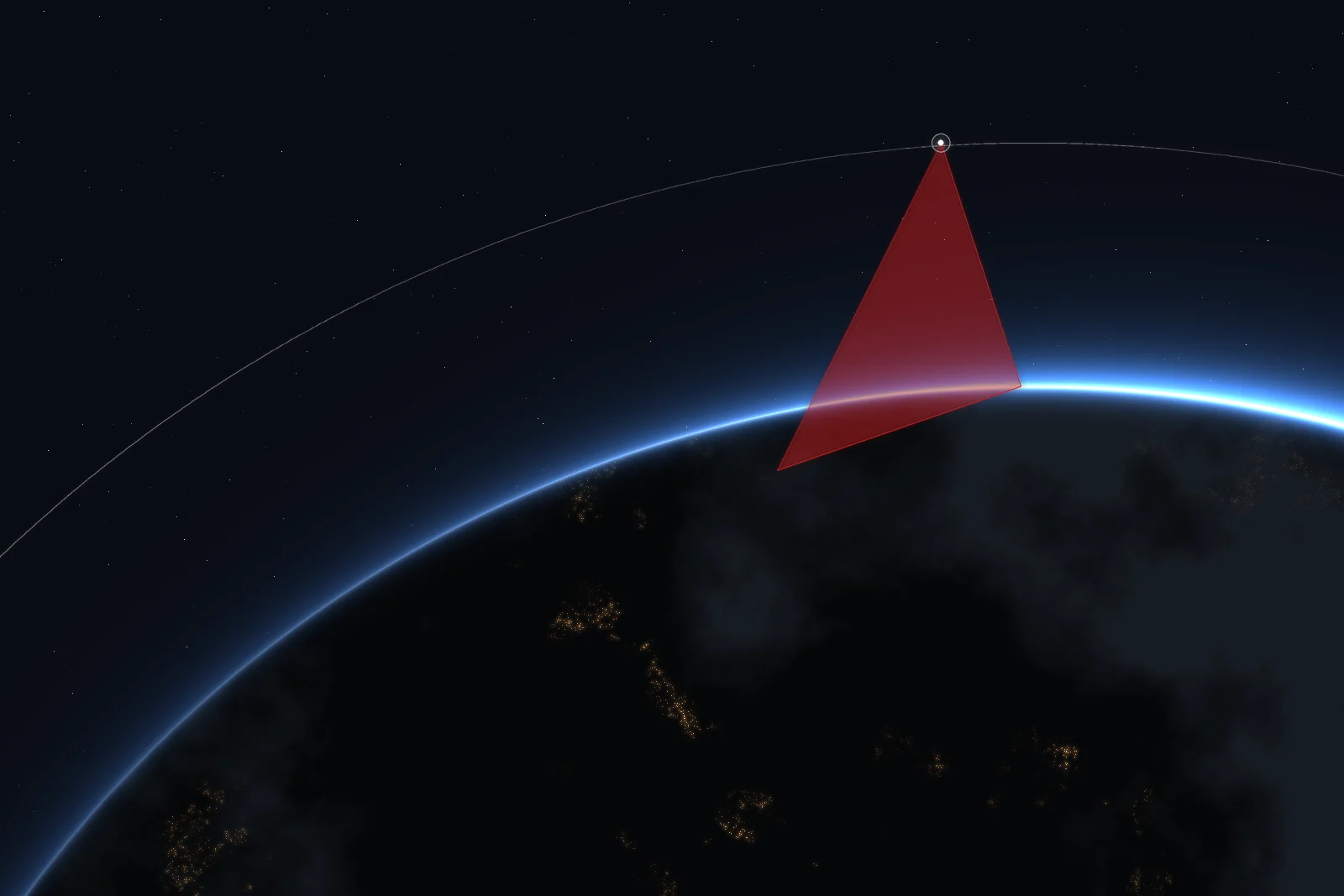
How can the Nordic-Baltic region build a common operational picture across the Baltic Sea, the Arctic, and critical infrastructure networks? This area covers Earth observation and SAR satellites, maritime and border surveillance, space-based intelligence, space situational awareness, and detecting suspicious vessel activity around subsea cables and other critical assets.
Connect: Resilient Communications
How do forces maintain command, control, and communications when networks are disrupted or jammed? Topics include sovereign SATCOM, secure military communications, resilient positioning and navigation, 5G and 6G defence applications, multi-domain connectivity, Arctic communications, NATO interoperability, and resilience against hybrid threats.
Decide: AI, Data & Decision Superiority
How can nations keep control of their own data and still operate together? This area covers AI-enabled decision support, sensor fusion, defence cloud solutions, autonomous systems, quantum technologies, and cyber resilience, along with the NATO and EU innovation ecosystems behind them.

Act & Sustain: Industrial Resilience
How can the region build the industrial base that long-term security requires? Topics include defence industrial cooperation, government-to-government collaboration, NATO procurement and NSPA opportunities, supply security, strategic autonomy, defence exports, and readiness and resilience partnerships.

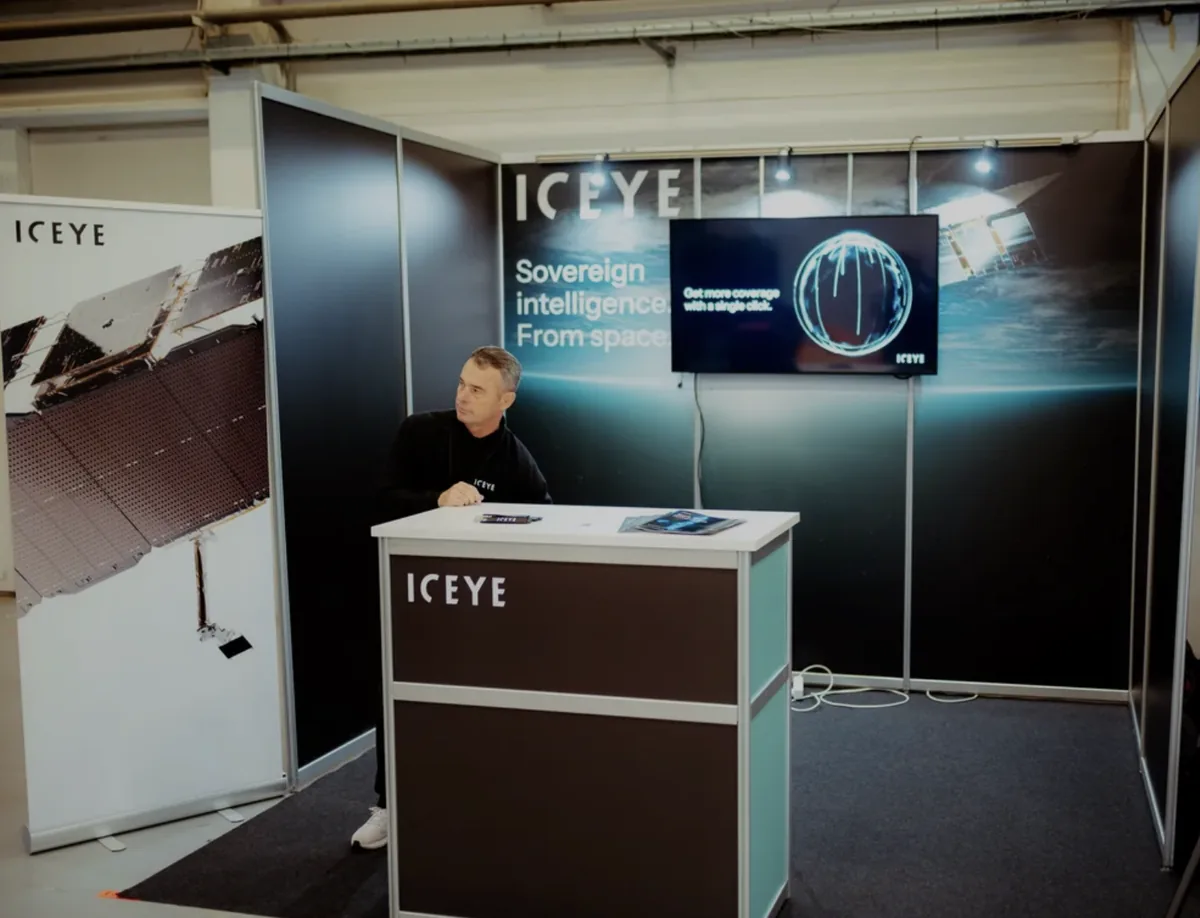
ICEYE Is Joining SSD Expo 2027
ICEYE owns the world’s largest and most advanced SAR (synthetic aperture radar) satellite constellation. Find them in Riga on 16–17 June 2027.
- Country
- Finland
- Specialisation
- Space and Satellite Technology
SSD Content Partner
Be the company SSD’s audience hears from on your subject. The Content Partner package puts your expertise in front of the buyers and decision-makers around SSD: on our website, in our newsletter, across our social channels, and on the SSD stage.
- Reference story on the SSD website
- Feature in the SSD newsletter
- Coverage on SSD social media, including LinkedIn
- 20-minute talk on the SSD stage
Who Should Exhibit Under
the Space Theme?
The theme follows how space capability turns into security on the ground and at sea: seeing what is happening, keeping forces connected, making decisions on trusted data, and sustaining the industry behind it all.
Upstream (satellites and launch): satellite operators and manufacturers, launch providers, SAR radar developers, and ground segment companies.
Midstream (data and connectivity): AI, data processing, cyber, and sensor fusion firms, SATCOM and encrypted communications companies, 5G and 6G network developers, and positioning and navigation providers.
Downstream (applications): maritime and border surveillance providers, critical infrastructure monitoring services, and autonomous systems developers.
Research institutions and defence primes working with space-based capabilities are also welcome.
No. We welcome companies working on ground systems, secure networks, data, AI, and components, as well as dual-use and civil-sector technologies that build on space-based services.
You’ll meet potential first customers in one venue: procurement officials, armed forces, and defence primes. You can also find partners for joint bids, demonstrations, and testing.
Apply as an exhibitor or contact us for a tailored sponsorship or visibility package. Opportunities range from demo space and speaking slots to custom matchmaking and brand activations.